
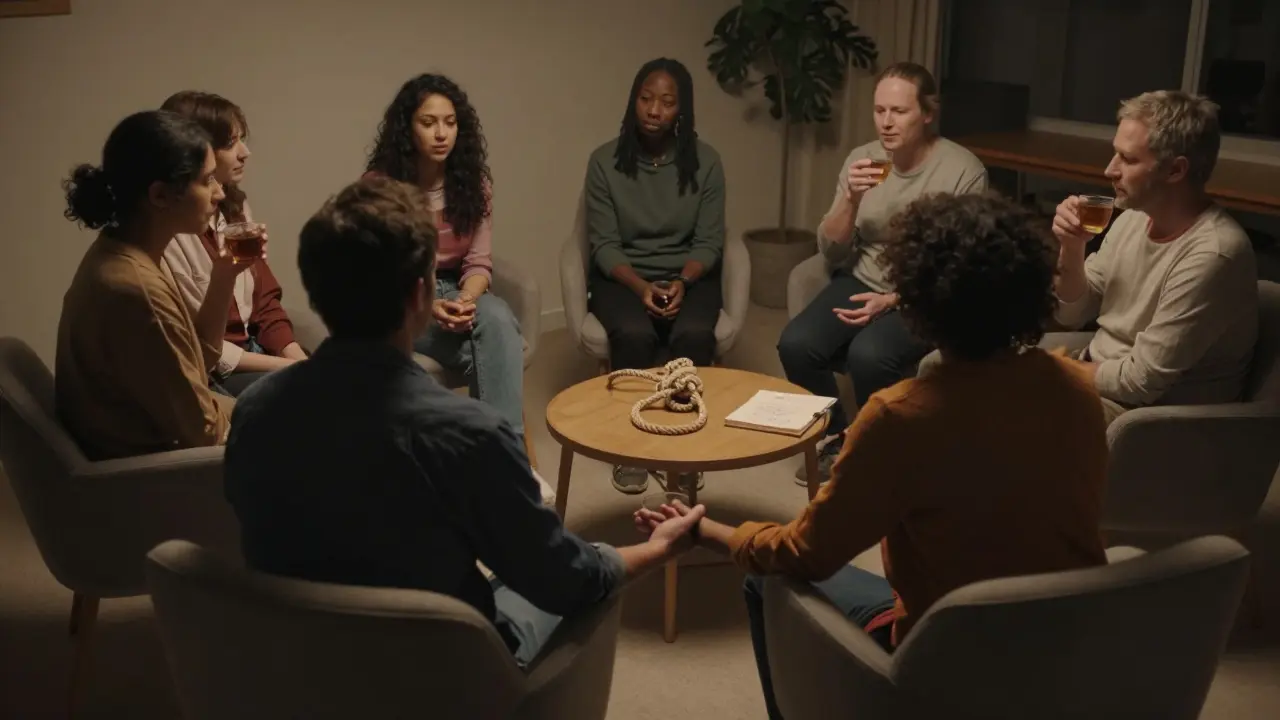
When people think of bondage, they often picture scenes from movies or shock-value headlines. But for those who live it, bondage is about trust, communication, and connection. It’s not about pain or control in the way outsiders assume. It’s about creating space-safe, consensual, and deeply human space-where people can be themselves without fear. And that’s where the real community begins.
It Starts with Trust, Not Rope
Many newcomers to bondage assume they need to master complex knots or buy expensive gear before they belong. That’s not true. What you really need is someone who listens. The first time someone says, "I get it," after you describe your boundaries or fears, something shifts. You’re no longer alone. You’re part of something bigger.
Real bondage communities don’t revolve around gear or aesthetics. They revolve around consent. That means checking in before, during, and after. It means having a safe word that actually works. It means knowing when to stop-not because you were told to, but because you both agreed it was the right time. This isn’t just about physical restraint; it’s about emotional safety.
Where Do You Find People Like You?
You won’t find these communities on mainstream dating apps. They’re not advertised on billboards. They’re built quietly-in private forums, in local meetups, in workshops held in rented spaces with no signs on the door. Some cities have regular bondage community gatherings: monthly safety circles, skill-sharing nights, or just coffee meetups where people talk about their experiences without judgment.
In New York, a group meets every third Saturday at a community center that doesn’t ask questions. In Berlin, there’s a weekly discussion group called "Rope & Talk" that’s open to anyone, regardless of experience. In Toronto, a former nurse started a peer support line for people who feel isolated after a scene. These aren’t secret societies. They’re lifelines.
Friendship Beyond the Scene
One of the most surprising things about being in the bondage community is how deep the friendships become. You don’t just bond over shared interests-you bond over shared vulnerability. You’ve told someone your deepest fears about control, surrender, or shame. And they didn’t run. They stayed.
People in this community often become each other’s therapists, ride-or-die friends, or even family. One woman in Chicago told me she met her best friend at a bondage workshop. They didn’t even do a scene together. They just sat in the kitchen afterward, talking for three hours about childhood trauma and how bondage helped them feel safe again. That’s not unusual. It’s common.
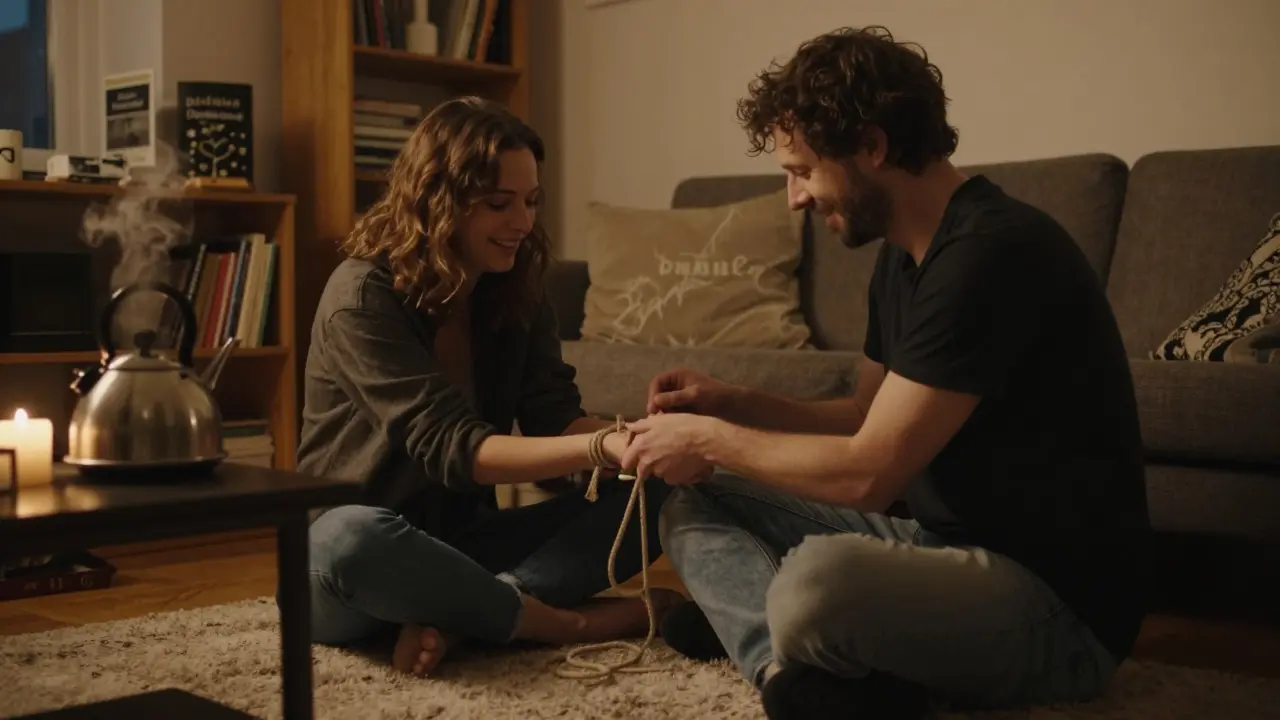
Why Safety Matters More Than Technique
There’s a myth that the most skilled bonders are the ones with the most rope. That’s wrong. The most skilled bonders are the ones who know when to stop, who check in constantly, and who prioritize emotional well-being over visual impact.
Every year, organizations like BDSM safety networks publish updated guidelines based on real-world feedback. These aren’t rigid rules-they’re living documents shaped by people who’ve been through it. They include things like:
- Always have a pair of safety shears within reach
- Never tie around the neck without a trained partner
- Check circulation every 10 minutes
- Aftercare isn’t optional-it’s part of the scene
These aren’t suggestions. They’re survival tools. And the people who follow them aren’t just being careful-they’re building a culture where no one gets left behind.
The Hidden Cost of Isolation
Not everyone who tries bondage finds their way into a community. Some try it once, feel judged, and never speak of it again. Others stay silent because they fear losing their job, their family, or their reputation. That silence is expensive. Studies from the Kinsey Institute show that people who feel isolated in their kinks are 3x more likely to experience anxiety, depression, or relationship breakdowns.
But those who find even one supportive person? Their mental health improves. Not because bondage "fixes" them-but because they finally feel seen. That’s powerful.

How to Start, Without Fear
If you’re curious but scared, here’s how to begin:
- Find a local group. Search for "BDSM safety meetup [your city]" or check FetLife (a community platform, not a dating app).
- Attend an orientation. Most groups offer a first-time visitor session with no pressure to participate.
- Ask questions. No topic is too small: "How do you know if someone’s safe?" or "What if I panic?"
- Bring a friend. Even if they’re not into bondage, having someone you trust with you makes all the difference.
- Wait. Don’t rush into scenes. The best relationships in this community take months to build.
You don’t need to be perfect. You don’t need to know everything. You just need to show up.
It’s Not About Sex
Let’s be clear: bondage isn’t primarily about sex. For many, it’s about release-not sexual release, but emotional release. The feeling of being held, of surrendering control, of being completely safe in someone else’s hands. That’s healing. That’s human.
One man in Portland told me he started bondage after his divorce. He didn’t want sex. He wanted to feel grounded again. For him, being tied up wasn’t erotic-it was meditative. He said it was the first time in years he felt truly calm.
That’s the real magic. It’s not about what you do. It’s about how it makes you feel. And if you’re lucky, you’ll find people who help you feel that way, too.
What Comes Next?
The bondage community isn’t a destination. It’s a journey. Some stay for years. Others find what they need and move on. Neither is wrong. What matters is that you had a place where you didn’t have to hide.
And if you’re reading this and feeling alone-know this: you’re not. There are people out there who’ve felt exactly what you’re feeling. They’re waiting for you to say, "I’m here."
Is the bondage community only for people in relationships?
No. Many people in the community are single, divorced, or not interested in romantic partnerships. Bondage is about connection-not necessarily romantic connection. You can find deep friendship, emotional support, and mutual trust without being in a relationship. Groups often welcome solo participants who just want to learn, share, or safely explore.
How do I know if a group or person is safe?
Look for clear communication. Safe groups will explain their rules upfront, encourage questions, and never pressure you into anything. They’ll have trained safety officers present, offer consent workshops, and prioritize aftercare. If someone dismisses your concerns, talks down to you, or makes you feel ashamed, walk away. Real communities respect boundaries-they don’t test them.
Can I join if I’ve never done bondage before?
Absolutely. Most groups are designed for beginners. Many events are labeled "newbie-friendly" or "orientation only." You don’t need experience-you just need curiosity and a willingness to listen. The first time most people attend, they just watch and talk. That’s completely normal. No one expects you to jump in right away.
Are there online communities I can join?
Yes, but be careful. Online forums like FetLife or Reddit’s r/BDSM can be helpful for finding local events and asking questions. But don’t rely on them for emotional support alone. Real connection happens in person. Use online spaces to learn, not to replace face-to-face safety. Always verify meetup details before attending, and never share personal info until you’re sure of the group’s reputation.
What if I feel embarrassed or judged?
It’s normal. Almost everyone feels that way the first time. But the community is built on the understanding that everyone was new once. If someone makes you feel judged, it’s not the community-it’s one person. Most groups have a code of conduct that bans shaming or mocking. Speak to a facilitator. You’re not overreacting. You’re protecting your space-and that’s exactly what the community is there to support.